
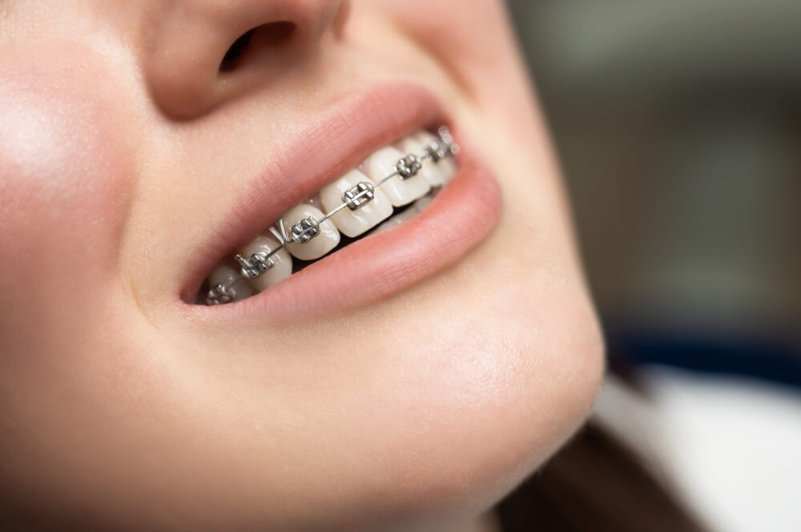
If you’re considering orthodontic treatment, you’ve likely wondered: is Invisalign better than braces? With options ranging from traditional metal braces to clear aligner treatment like Invisalign, it’s important to understand the differences, pros, and cons to choose what’s right for you. In this guide, we’ll break down key factors, including comfort, appearance, treatment time, oral hygiene, and cost.
Invisalign vs Braces: What’s the Difference?
Invisalign vs traditional braces is one of the most common questions in orthodontics. Traditional braces use metal brackets and wires to gradually shift teeth, while Invisalign treatment uses clear aligners that are removable and nearly invisible. Clear aligners offer the convenience of taking them out for eating or cleaning, while braces require careful cleaning around brackets and wires.
Feature/Factor | Invisalign (Clear Aligners) | Traditional Metal Braces |
Appearance & Aesthetics | Nearly invisible, discreet | Highly visible metal brackets and wires |
Comfort & Convenience | Smooth aligners, removable, minimal irritation | Can irritate gums and cheeks, fixed in place |
Oral Hygiene | Easy to brush and floss normally | Requires special care to clean around brackets and wires |
Treatment Time | 12–18 months (mild to moderate cases) | 18–24 months (or longer for complex cases) |
Diet Restrictions | None (remove aligners to eat) | Avoid sticky, hard, or chewy foods |
Cost | Slightly higher, depends on case | Usually more affordable than Invisalign |
Effectiveness | Excellent for mild to moderate cases; complex cases may require attachments | Effective for all cases, including complex dental alignment issues |
Follow-Up Visits | Fewer in-person visits; aligners changed at home | More frequent orthodontist visits for wire adjustments |
Comfort and Convenience
One of the main advantages of clear aligner treatment is comfort. Invisalign aligners are smooth and less likely to irritate the gums or cheeks compared to metal braces, which is why many patients consulting an experienced dentist in Dallas prefer this modern orthodontic option.
Invisalign aligners are also removable, making it easier to enjoy your favorite foods and maintain proper oral hygiene. In contrast, traditional metal braces can feel uncomfortable at first, and patients are often advised to avoid certain foods during treatment.
Appearance and Aesthetics
Appearance is another major factor in the Invisalign vs braces debate. Invisalign is nearly invisible, making it a popular choice for adults and teens who want a discreet option. Metal braces, while effective, are more noticeable, which may affect confidence for some patients. If aesthetics are a priority, clear aligners can offer a subtle alternative without compromising results.
Treatment Time Comparison
Invisalign vs traditional braces can also differ in treatment time. Invisalign often works faster for mild to moderate alignment issues, typically ranging from 12 to 18 months. Braces may be required for more complex cases, sometimes taking up to 24 months or more. Your orthodontist can assess your specific needs to determine the most efficient option.
Dentures offer many advantages for people with missing teeth:
Oral Hygiene During Treatment
Maintaining oral hygiene is simpler with Invisalign because the aligners are removable. You can brush and floss normally, reducing the risk of plaque buildup and tooth discoloration. With braces, extra care is needed to clean around brackets and wires, which can make oral hygiene more challenging.
Cost Comparison: Braces vs Invisalign
A common consideration is braces vs Invisalign cost. Invisalign is often slightly more expensive than traditional braces due to the advanced technology and customization involved. However, many patients find the benefits of comfort, convenience, and aesthetics worth the investment. Your orthodontist can provide a cost estimate based on your treatment plan.
Orthodontic Results
Both Invisalign and traditional braces are effective in achieving straight teeth and a healthy bite. The choice depends on your personal preferences, lifestyle, and the complexity of your case. Clear aligner treatment can achieve similar results to braces when used as directed, making it a viable alternative for many patients.
Looking for the best dental treatment? Contact Denturgent
Choosing between Invisalign and braces requires considering comfort and convenience, appearance and aesthetics, treatment time, oral hygiene, and cost comparison.
Whether you choose traditional metal braces or clear aligners, DentUrgent will help you choose between both options. Consult with your dentist by scheduling a consultation to determine which treatment is right for you.
Frequently Asked Questions (FAQs)
Is Invisalign better than braces?
Invisalign can be better than braces for mild to moderate alignment issues, especially if you want a discreet and removable option. Traditional braces are often more effective for complex or severe orthodontic problems
Are braces more effective than Invisalign?
Braces are generally more effective than Invisalign for complex cases such as severe crowding, major bite corrections, or rotated teeth, because they apply continuous force and don’t rely on patient compliance.
Which is cheaper: Invisalign or braces?
The cost of Invisalign and braces is often similar, but traditional metal braces are usually the more affordable option. Invisalign tends to be more expensive due to customized aligners and advanced technology.
Does Invisalign work faster than braces?
Invisalign treatment can be faster for minor corrections, but braces may provide quicker and more predictable results for complex orthodontic issues.
Is Invisalign painful compared to braces?
Both Invisalign and braces can cause discomfort, especially after adjustments. Invisalign is often considered less painful because there are no wires or brackets, but pressure is still felt when switching aligners.
Can Invisalign fix severe alignment problems?
Invisalign can treat many orthodontic issues, but severe misalignment or bite problems may require traditional braces for optimal results.
Who is a good candidate for Invisalign?
Invisalign is ideal for adults and teens with mild to moderate spacing, crowding, or alignment issues who can commit to wearing aligners consistently.